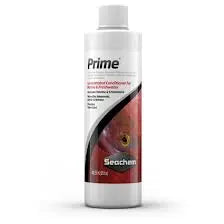
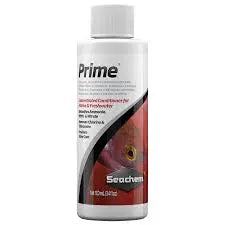
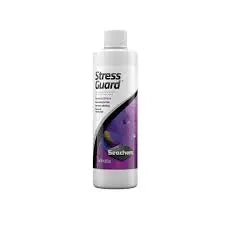
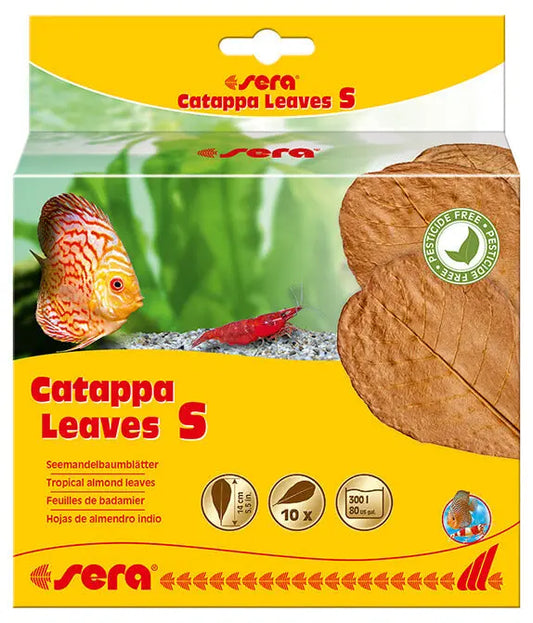
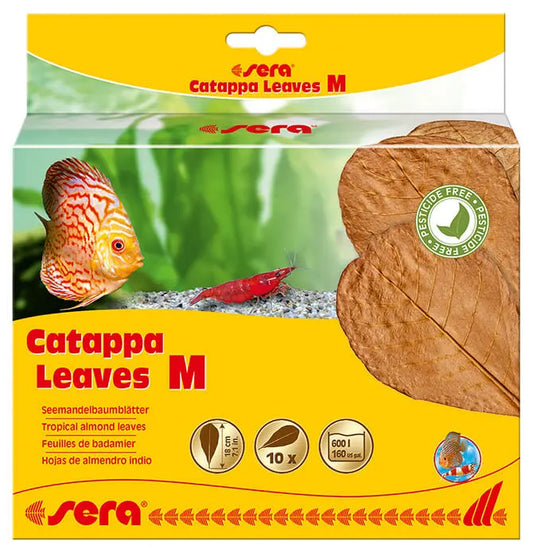
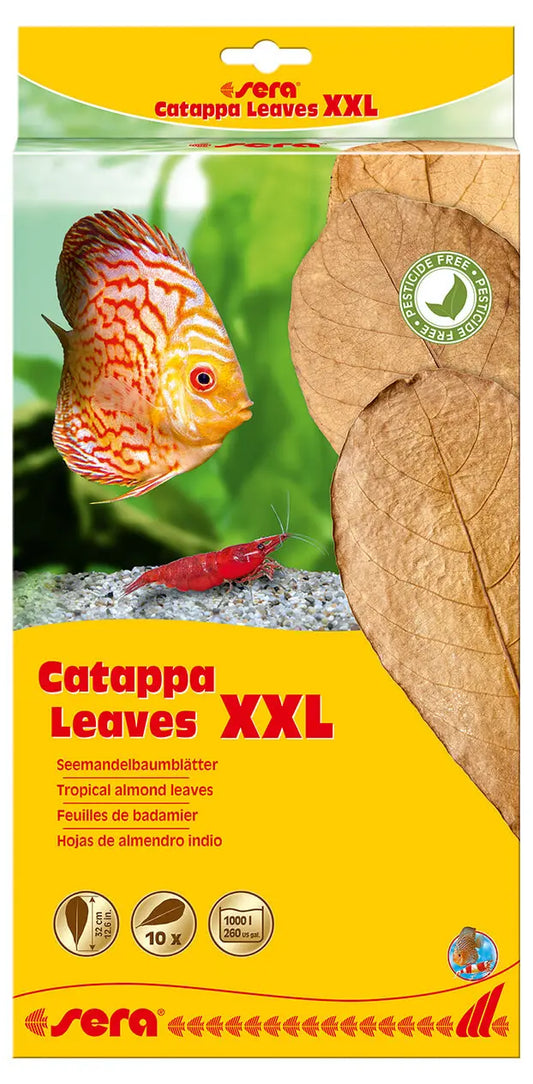
Aquarium water conditioners and water treatments help make tap water safer for aquarium use and support stable water quality during routine maintenance. Whether you are setting up a new aquarium, performing a water change, acclimating fish, or maintaining a planted community tank, the right water treatment can help protect your aquarium from common water quality issues.
At Tropical Treasures Wyo, we carry aquarium water conditioners, dechlorinators, beneficial bacteria products, slime coat support formulas, clarifiers, buffers, and specialty water treatments for freshwater aquariums, planted tanks, shrimp tanks, betta tanks, cichlid aquariums, and community fish setups.
Shop Aquarium Water Conditioners & Treatments
This collection includes products designed to help with chlorine and chloramine removal, new tank setup, water changes, aquarium cycling, slime coat support, cloudy water, pH and mineral support, and general aquarium maintenance.
Always choose a product based on your aquarium type, livestock, water parameters, and the issue you are trying to address. Follow the manufacturer’s dosing instructions carefully and avoid mixing treatments unless the product labels say they are compatible.
Popular Aquarium Water Treatment Products
-
Water Conditioners: Help neutralize chlorine and chloramine in tap water when used as directed
-
Dechlorinators: Useful for routine water changes and new aquarium setups
-
Beneficial Bacteria: Supports biological filtration during cycling and maintenance
-
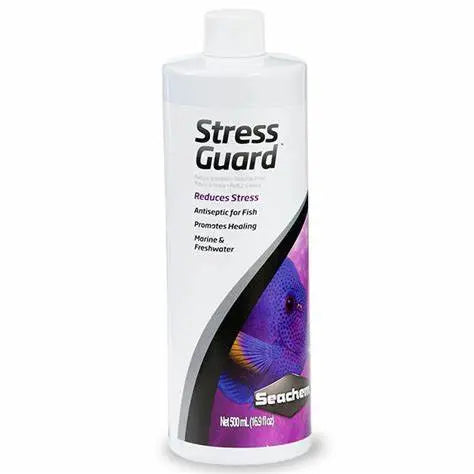
Slime Coat Support: Helps support fish during water changes, transport, or acclimation
-
Water Clarifiers: Help improve water clarity when used properly
-
Buffers & Mineral Support: Help adjust or maintain water parameters for specific aquarium needs
When to Use Aquarium Water Conditioner
Use an appropriate aquarium water conditioner any time untreated tap water is added to a fish tank. This includes regular water changes, topping off water, setting up a new aquarium, or preparing water for fish, shrimp, snails, and live plants.
Some water treatments are made for everyday maintenance, while others are designed for specific situations such as new tank cycling, cloudy water, parameter support, or fish slime coat support. Read each product label carefully before use.
Choosing the Right Water Treatment
For routine water changes, choose a trusted water conditioner or dechlorinator. For new aquariums, beneficial bacteria products can help support the cycling process. For planted tanks, shrimp tanks, and sensitive species, select products that match your livestock and water parameter goals.
If you are unsure which product is best for your aquarium, bring a water sample to Tropical Treasures Wyo in Cheyenne, Wyoming, and our team can help review your water parameters and recommend options based on your setup.
Frequently Asked Questions
Do I need water conditioner for every water change?
Yes. Any time you add tap water to an aquarium, it should be treated with an appropriate aquarium water conditioner to help neutralize chlorine or chloramine.
How much aquarium water conditioner should I use?
Always follow the dosing instructions on the bottle. Most conditioners are dosed based on the amount of new tap water being added, not always the full tank volume.
Can water conditioner help during fish acclimation?
Some formulas are designed to help support slime coat protection during transport, acclimation, or water changes. Stable water parameters and proper acclimation are still important.
Can I use multiple water treatments at the same time?
Only combine products when the manufacturer’s instructions say they are compatible. Avoid mixing treatments without checking labels, especially with medications, algae treatments, or specialty additives.
Are all water conditioners safe for shrimp and snails?
Not always. If you keep shrimp, snails, or other invertebrates, check the product label carefully and avoid products that are not intended for invertebrate aquariums.
Do water treatments replace regular maintenance?
No. Water treatments can support aquarium care, but they do not replace regular water changes, testing, filtration maintenance, and proper stocking.
Available at Tropical Treasures Wyo
Shop aquarium water conditioners, dechlorinators, beneficial bacteria, clarifiers, buffers, slime coat support products, and aquarium water treatments at Tropical Treasures Wyo in Cheyenne, Wyoming. Eligible dry goods and aquarium supplies may be available for shipping throughout the Lower 48 states, or shop in-store for help choosing the right product for your freshwater aquarium.