Fish food pellets are one of the most reliable ways to deliver complete daily nutrition to freshwater aquarium fish. Unlike flakes that float and break apart quickly, pellets hold their shape, sink at a controlled rate, and let you target exactly the fish you want to feed. Our freshwater fish food pellets collection brings together sinking and floating formulas from trusted brands so you can match the right pellet size, density, and recipe to your tank, whether you keep cichlids, livebearers, goldfish, or a mixed community.
At Tropical Treasures Wyo, every pellet we carry is chosen for quality ingredients and consistent results. Pellets pair naturally with the rest of our aquarium fish food range, so you can build a varied diet using pellets as the staple alongside flakes, wafers, and frozen foods for treats and variety.
What makes fish food pellets different
Pellets are formulated to be nutritionally complete, meaning a single product can supply the protein, fats, vitamins, and minerals fish need for steady growth and strong color. Their firm shape resists fouling the water, and because they come in floating, slow-sinking, and fast-sinking forms, you can feed surface dwellers, mid-water schoolers, and bottom feeders with the same convenient format. Pellet size matters too: small granules suit nano fish and livebearers, while larger pellets are sized for cichlids and other big-mouthed species.
Best sellers
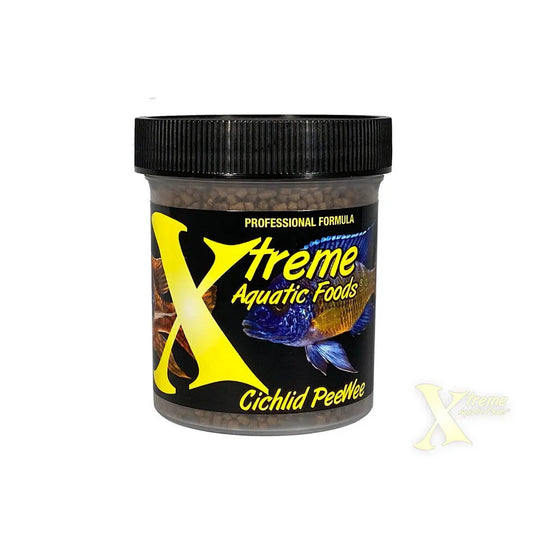
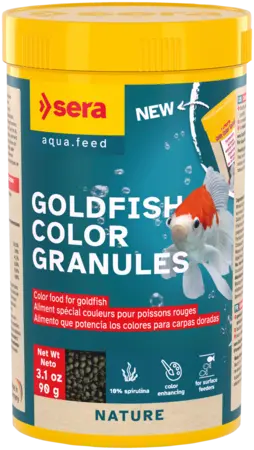
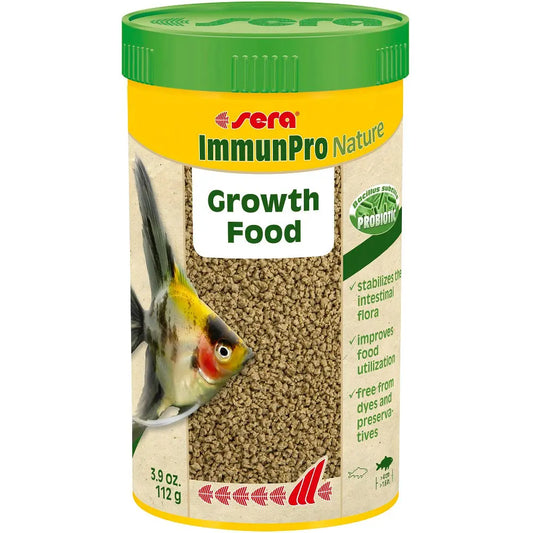
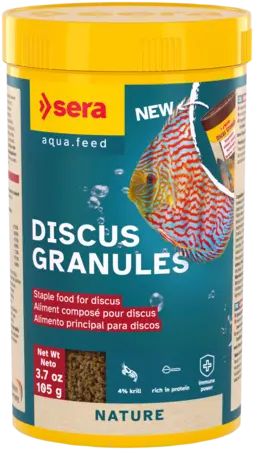
Our most popular pellets cover the most common freshwater fish. The Xtreme Cichlid PeeWee 1.5mm Pellets is a slow-sinking staple packed with color-enhancing nutrition for cichlids and larger community fish. The Hikari Fancy Guppy Premium Livebearer Diet offers micro-sized granules tailored to guppies and other small livebearers. For goldfish keepers, Sera Goldfish Color Granules deliver easy-to-digest nutrition with natural color boosters. The Fluval Bug Bites Cichlid Formula uses insect-based protein for a highly palatable, sustainable diet, and the Nutramar Freshwater Algae & Color Boost Pellets add plant matter and color enhancers for herbivorous and omnivorous species. Vitalis pellets round out the range with premium tropical, catfish, herbivore, and plec formulas for targeted daily feeding.
Choosing the right pellet for your fish
Start with the size of your fish and where they feed in the water column. Cichlids such as our African cichlids and South American cichlids do best with larger slow-sinking pellets, while small fish like guppies and other community fish need fine granules. Bottom dwellers such as plecos and corydoras appreciate sinking pellets that reach the substrate before faster eaters clear the surface.
Build a complete feeding routine
Pellets work best as the foundation of a rotated diet. Use them daily as the staple, then add variety with flakes and occasional frozen foods to keep fish interested and well-rounded. Keeping your water clean supports good appetite, so pair feeding with regular maintenance using a quality water conditioner and dependable filtration.
Storage and freshness make a real difference with pellets. Because they are nutrient-dense, pellets can lose vitamin potency and flavor if left open to air, light, and humidity, so keep containers sealed and stored in a cool, dry place rather than above a warm tank lid. Buying an amount you will use within a few months helps ensure your fish always get the freshest, most appealing food, which in turn supports better coloration and growth.
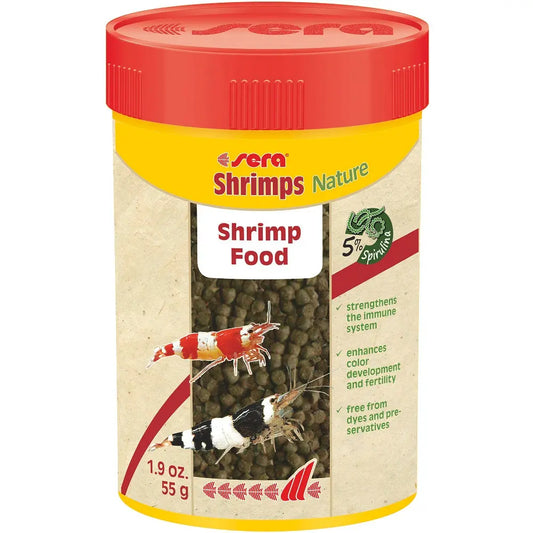
If you keep a mixed community, it often helps to offer more than one pellet type so every fish gets its share. A floating pellet feeds surface and mid-water fish, while a sinking variety reaches shy bottom dwellers and shrimp before the food is gone. Watching how your fish respond at feeding time is the best guide: confident, eager eating usually means the pellet size and recipe are a good match, while leftover food often signals you are feeding too much or the pellet is the wrong size for that species.
Frequently asked questions
How many pellets should I feed? Feed only what your fish finish in about two minutes, once or twice a day. Uneaten pellets break down and pollute the water, so it is better to feed small amounts more often than one large portion.
Should I soak pellets before feeding? Most pellets can be fed dry, but soaking larger pellets for a minute can help prevent fish from gulping air and reduce the chance of floating pellets that miss bottom feeders.
Can I feed only pellets? A good pellet can serve as a complete staple, but rotating in flakes, wafers, and frozen foods gives a broader nutrient profile and keeps fish more active and colorful.