Freshwater Fish Food for Community Tanks, Bettas, Cichlids & Bottom Feeders
Shop freshwater fish food at Tropical Treasures Wyo in Cheyenne, Wyoming. We carry flakes, pellets, wafers, frozen foods, freeze-dried foods, betta foods, cichlid foods, bottom feeder foods, shrimp foods, and specialty diets for many freshwater aquarium setups.
Choosing the right fish food depends on the fish you keep, where they feed in the aquarium, and their dietary needs. Surface feeders may prefer floating flakes or pellets, mid-water fish often take small pellets or granules, and bottom dwellers need sinking foods that reach the substrate.
Types of Freshwater Fish Food
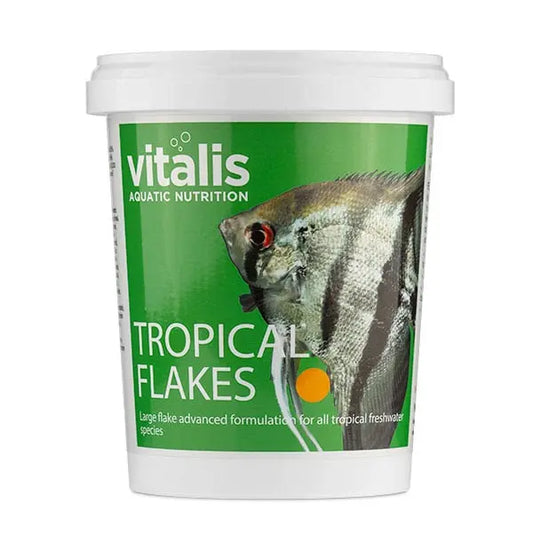
Most aquariums do best with a varied feeding routine. Flakes are a common everyday option for many community fish and surface feeders. Pellets and granules come in floating, slow-sinking, and sinking formulas for different fish sizes and feeding styles.
Wafers and sinking sticks are useful for plecos, Corydoras, loaches, shrimp, snails, and other bottom-feeding aquarium livestock. Frozen and freeze-dried foods can be used as occasional variety depending on the fish species and feeding needs.
Popular Fish Food Options
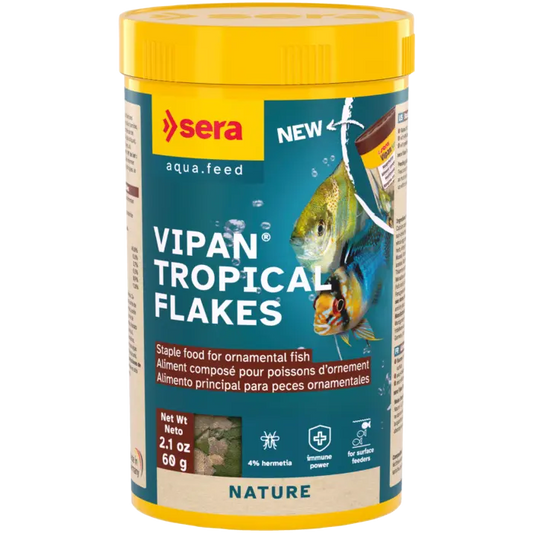
- Freshwater fish flakes
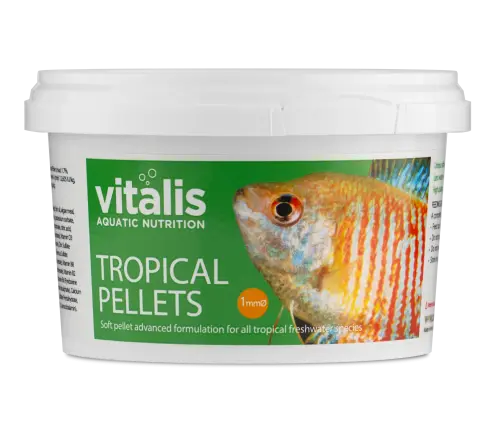
- Floating pellets
- Sinking pellets
- Betta pellets and granules
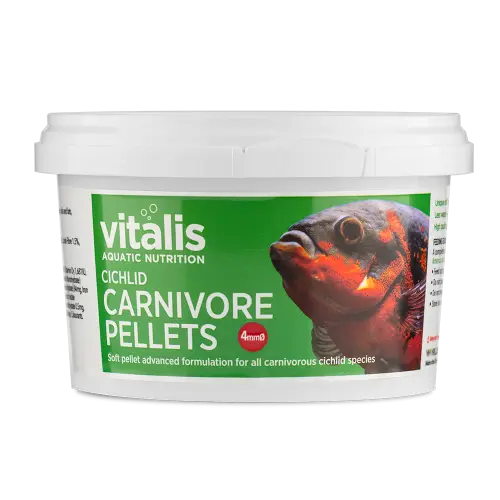
- Cichlid pellets
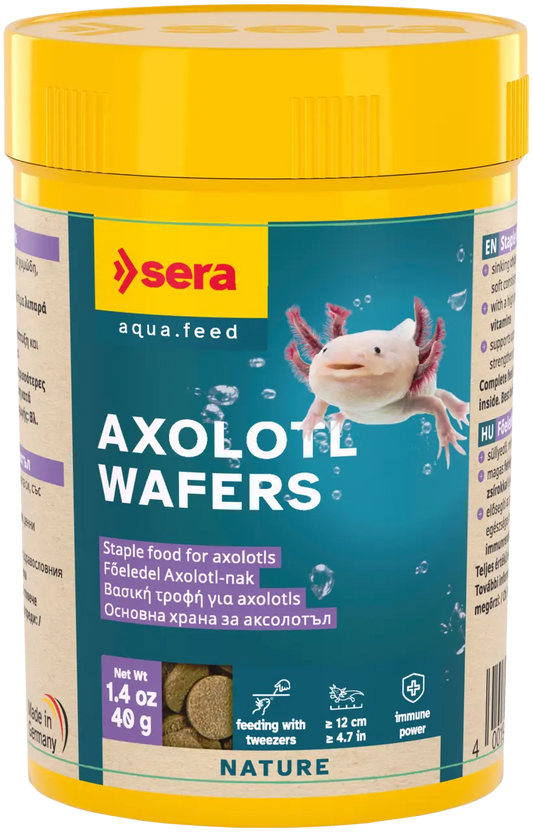
- Algae wafers
- Bottom feeder wafers
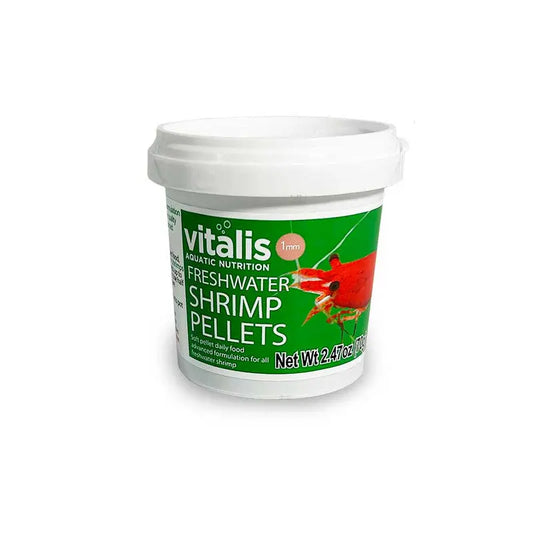
- Shrimp food
- Frozen fish food
- Freeze-dried treats
Brands You May Find
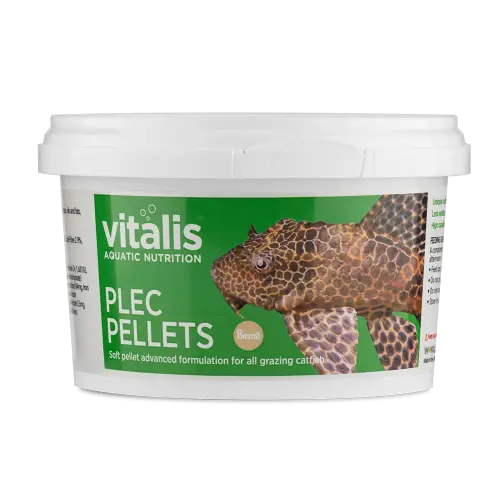
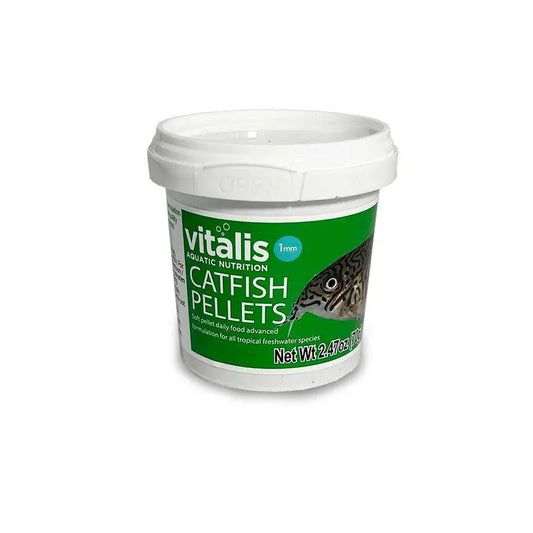
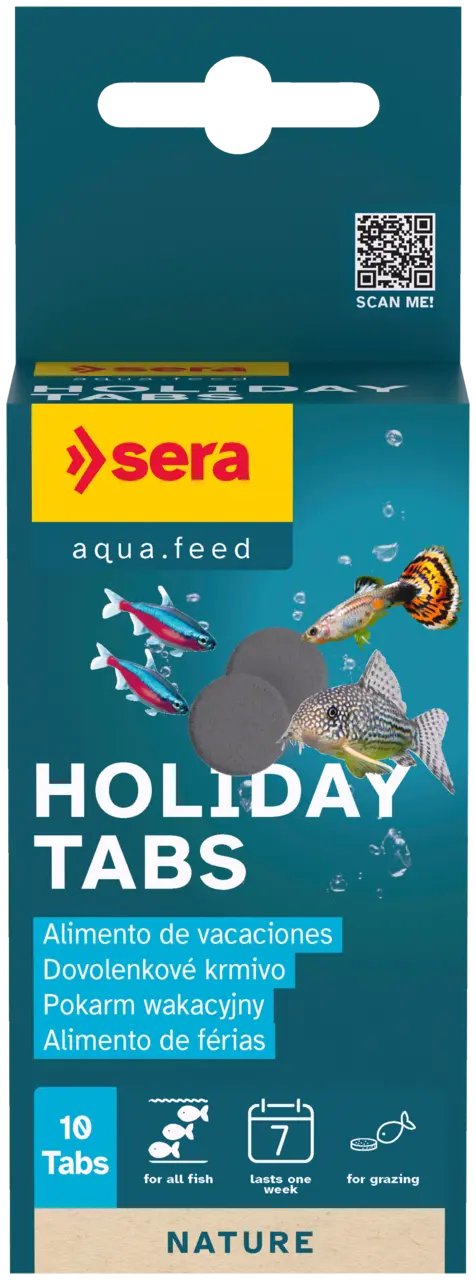
Availability may vary, but our fish food selection may include brands such as Hikari, Xtreme, Vitalis, Fluval Bug Bites, Sera, Aquarium Co-Op, and other aquarium food options for freshwater fish, shrimp, snails, and bottom feeders.
Frozen fish food may be available in-store or for local pickup only. Frozen foods are not shipped through standard dry goods shipping.
How to Choose the Right Fish Food
Choose fish food based on the species you keep. A peaceful community aquarium may use a staple flake or pellet along with occasional variety. Bettas usually do better with betta-specific foods or small carnivore formulas. Cichlid diets vary by species, with some needing more protein-based foods and others needing more plant-based or spirulina-based foods.
Bottom feeders such as plecos, Corydoras, loaches, and catfish need sinking foods that reach the lower levels of the aquarium. Shrimp and snails may need their own foods depending on the setup, stocking level, and natural grazing available in the tank.
Feeding Tips
- Feed only what fish can consume within a few minutes
- Remove uneaten food when needed to help maintain water quality
- Use sinking foods for bottom feeders
- Rotate foods based on the needs of the fish being kept
- Avoid overfeeding, especially in small aquariums
- Choose food size based on fish mouth size
- Research specialty species before choosing a diet
Food for Different Aquarium Fish
-
Community Fish: Flakes, small pellets, granules, and occasional variety foods
-
Bettas: Betta pellets, insect-based granules, frozen foods, and other betta-appropriate foods
-
Cichlids: Species-appropriate pellets, spirulina foods, carnivore formulas, or herbivore formulas depending on the fish
-
Plecos: Algae wafers, sinking sticks, vegetable-based foods, driftwood for wood-grazing species when needed, and species-specific foods
-
Corydoras: Sinking wafers, small sinking pellets, and occasional frozen foods
-
Shrimp: Shrimp foods, biofilm-supporting foods, leaf litter, and small sinking foods when appropriate
Important Feeding Notes
Overfeeding is one of the most common causes of aquarium water quality problems. Uneaten food can break down and contribute to cloudy water, algae growth, ammonia, nitrite, and nitrate issues.
Feed small amounts and adjust based on how quickly your fish eat. Heavily stocked aquariums, predator tanks, goldfish tanks, and cichlid tanks may need stronger filtration and more frequent maintenance due to heavier feeding and higher bioloads.
Fish Food FAQ
How often should I feed my fish?
Most freshwater community fish can be fed once or twice daily. Offer only what they can consume within a few minutes and remove uneaten food when needed.
Should I feed flakes, pellets, or both?
Many aquariums benefit from variety. Flakes, pellets, wafers, frozen foods, and freeze-dried foods can all have a place depending on the fish species and feeding habits.
What food is best for bottom feeders?
Bottom feeders usually need sinking foods such as wafers, sinking pellets, algae wafers, or sinking sticks. Choose the food based on whether the fish is herbivorous, omnivorous, or carnivorous.
What food is best for bettas?
Bettas usually do well with betta-specific pellets, insect-based granules, and occasional frozen or species-appropriate foods. Avoid relying only on generic community flakes.
What food is best for cichlids?
It depends on the species. Some cichlids need protein-based foods, while many African cichlids do better with spirulina or vegetable-based diets. Research the exact cichlid before choosing food.
Can I feed frozen or freeze-dried foods every day?
Frozen and freeze-dried foods can be useful as part of a varied routine, but the right schedule depends on the fish species, aquarium size, filtration, and water quality. Avoid overfeeding.
How do I know if I am overfeeding?
Signs may include uneaten food on the substrate, cloudy water, excess algae, rising nitrate, or fish ignoring food. Reduce portions if food remains after a few minutes.
Can frozen fish food be shipped?
Frozen fish food is available for in-store purchase or local pickup only unless otherwise stated. Frozen food is not shipped through standard dry goods shipping.
Shop Freshwater Fish Food at Tropical Treasures Wyo
Visit Tropical Treasures Wyo in Cheyenne, Wyoming, to shop freshwater fish food, betta food, cichlid food, algae wafers, bottom feeder foods, shrimp food, frozen foods, freeze-dried foods, aquarium filters, water conditioners, live plants, and aquarium care essentials.
Related collections include Fish Food Flakes, Fish Food Pellets, Fish Food Wafers, Frozen Fish Food, Shrimp Food, Community Fish, Bettas, African Cichlids, Plecos, and Corydoras.