
-
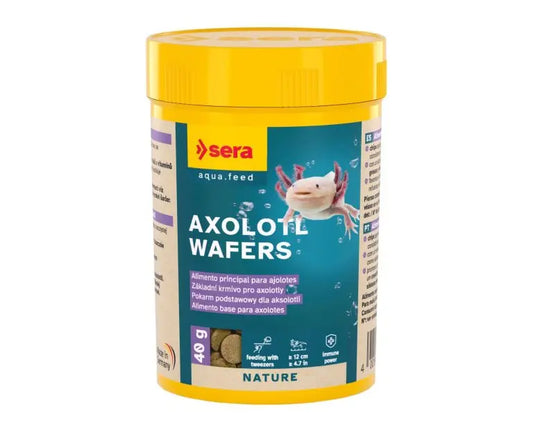
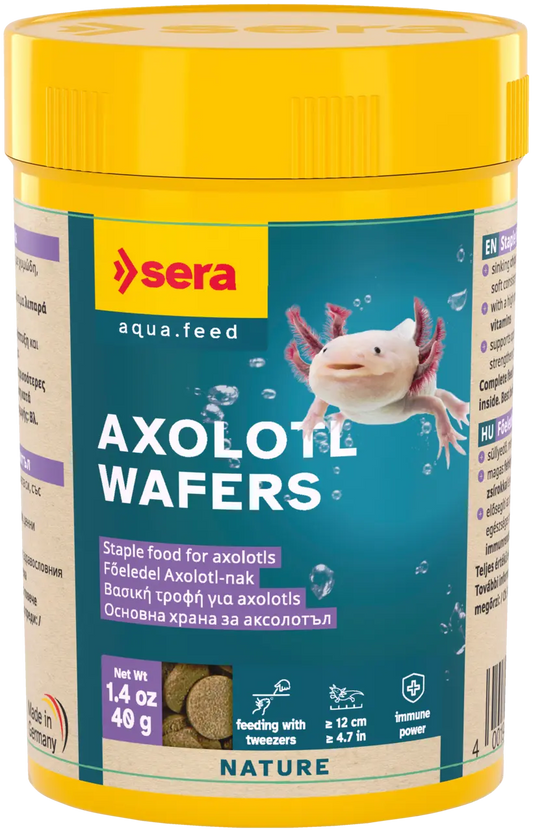
Sera Axolotl Wafers 1.4 oz
Regular price $7.99Regular price -
Sera Axolotl Wafers 3.7 oz
Regular price $12.99Regular price -
Zoo Med Axolotl & Aquatic Newt Food 11 oz
Regular price $12.99Regular price -
Zoo Med Axolotl & Aquatic Newt Food 2 oz
Regular price $5.99Regular price -
 Sold out
-
 Sold out
-
Copper Axolotl (Ambystoma mexicanum) Live Aquatic Salamander
Regular price $79.99Regular price -
Wild Type Axolotl (Natural Colored Axolotl)
Regular price $79.99Regular price -
GFP Leucitic Axolotl (Pink Glowing Axolotl)
Regular price $105.00Regular price -
Axanthic Axolotl Rare Gray Morph Aquatic Salamander
Regular price $79.99Regular price -
Albino Pink Axolotl
Regular price $79.99Regular price -
 Sold out
-
Silver Dalmatian Axolotl Rare Spotted Axolotl Morph
Regular price $115.00Regular price -
Albino Golden Axolotl (Ambystoma mexicanum) Live Aquatic Salamander
Regular price $79.99Regular price -
Lavender Axolotl Soft Purple-Toned Rare Axolotl Morph
Regular price $200.00Regular price -
Zoo Med Axolotl Kit – 28 Gallon Low Boy Aquarium (36 × 18 × 10 in)
Regular price $279.99Regular price -
Zoo Med 28-Gallon Axolotl Starter Bundle – Aquarium Kit + Axolotl Included
Regular price $349.99Regular price


Looking for axolotls for sale near Cheyenne, Wyoming? Tropical Treasures Wyo offers axolotl care supplies, specialty foods, and captive-bred axolotls when available. We welcome visitors from Cheyenne, northern Colorado, and western Nebraska. All live axolotls are available for in-store purchase or pickup only; we do not ship live animals. Call (307) 369-1118 before traveling to confirm the specific morph and current availability.
Currently listed in-stock morphs (subject to change): Albino Pink, Wild Type, and GFP Black Melanoid (“Glowie”). Other morphs shown in this collection may be out of stock or available by special order. Please contact us before placing a request; special orders are not guaranteed.
Axolotls are a true cold-water species and have very different needs from tropical fish, so a little planning goes a long way. Done right, they can be interactive and fascinating to keep.
Special Order Notice: Some axolotl morphs may be available in store, while others are special order only. Availability may vary by morph, size, supplier stock, and season. Please contact us before ordering if you are looking for a specific axolotl color, morph, or size.
Once a special order request is made, we will confirm current availability, estimated arrival time, pricing, and local pickup details. All live axolotls are available for in-store purchase or local pickup only at our Cheyenne, Wyoming store; we are not shipping live animals at this time. Axolotls require a properly cycled cold-water aquarium before they come home, so we are happy to help you plan the right setup before placing a special order.
Popular Axolotl Morphs
Our axolotl lineup rotates with availability, but you'll often find eye-catching morphs such as:
- Wild & melanoid — classic dark, speckled axolotls with natural coloration.
- Leucistic & classic pink — pale bodies with dark eyes and rosy gills.
- Copper, axanthic & lavender — rarer color morphs prized by collectors.
- GFP "glowie" axolotls — a fluorescent morph that glows under blue light.
We also stock quality axolotl sinking pellets and wafers to support a proper axolotl feeding routine.
Axolotl Care Tips
The single most important rule is that axolotls are cold-water animals — they do best in cool temperatures and can become stressed or ill if their water gets too warm, so most keepers avoid heaters and use a fan or chiller in warm rooms. They need a fully cycled tank with gentle filtration and low flow, since strong currents stress them. Use either a bare bottom or fine, soft sand, never gravel, because axolotls eat substrate and loose gravel can cause dangerous impaction. Feed a protein-rich diet of sinking axolotl pellets, earthworms, and similar foods. Because they're sensitive to water quality, keep up with regular testing and water changes. Always confirm the exact temperature and tank-size recommendations for your setup before bringing one home.
Axolotl Supplies and Cold-Water Tank Essentials
Planning an axolotl aquarium? Start with reliable axolotl supplies selected for cool water, low flow, and easy cleaning. The essential setup includes an adequately sized aquarium, a gentle filter, a thermometer, a water test kit, appropriate hides, and suitable food. Because axolotls produce considerable waste, proper tank maintenance and regular water testing are especially important.
Filters and Axolotl Tank Accessories
Choose filters that provide biological filtration without strong current; a sponge filter or a suitably baffled aquarium filter can work depending on tank size. Useful axolotl tank accessories include smooth hides, feeding tongs, a thermometer, and a siphon for removing waste. Avoid sharp ornaments and loose gravel that could be swallowed.
Aquarium Cooling Fan or Aquarium Chiller
An aquarium cooling fan can help lower water temperature through evaporation in some rooms, while an aquarium chiller offers more controlled cooling when temperatures remain too high. Aim for stable, appropriately cool water, commonly around 60–68°F (16–20°C), and avoid prolonged warm conditions. Check evaporation and replenish with properly conditioned water as needed.
Test Kits, Water Testing and Feeding
A liquid Freshwater Master Test Kit or equivalent test kits can help monitor ammonia, nitrite, nitrate and pH. Fully cycle the aquarium before introducing an axolotl; ammonia and nitrite should read zero in an established tank. For feeding, use species-appropriate sinking food and earthworms where suitable. Remove uneaten food promptly to support water quality. Ask our Cheyenne team which axolotl essentials and supplies are currently available or can be ordered.
Best Tank Setup for Axolotls
Axolotls are best kept in a species-only tank rather than a community aquarium — they're messy, cold-water predators that may try to eat tankmates or get their gills nipped. Hardy, cool-tolerant live plants like anubias and low-light plants work well for cover since they don't need bright, warming lights. A soft sand substrate and a few smooth caves give them places to rest and hide. Skip fish and snail tankmates unless you've researched the risks carefully.
Axolotl FAQ
Do axolotls need a heater?
No. Axolotls are cold-water animals and usually do best in cooler water. In warm rooms, many keepers use a fan or chiller instead of adding heat.
What do axolotls eat?
Axolotls are carnivores and are usually fed sinking axolotl pellets, earthworms, and other appropriate protein-focused foods.
Can axolotls live with fish?
A species-only tank is usually safest. Axolotls may eat small fish, and some fish may nip at an axolotl’s external gills.
Why can’t I use gravel?
Axolotls may swallow loose gravel while feeding, which can create serious health risks. Bare bottom tanks or fine sand are safer options.
How big do axolotls get?
Adult axolotls commonly reach around 9–12 inches, so they need more space than many people expect. Confirm tank-size recommendations before purchasing.
Stop by Tropical Treasures Wyo in Cheyenne or call us at 307-369-1118 and we'll walk you through everything you need to set up a properly planned axolotl tank. We're always happy to talk cold-water care before you bring one home.