
-
San Francisco Bay Frozen Bloodworms 3.5 oz – Frozen Fish Food
Regular price $7.49Regular price -
San Francisco Bay Frozen Bloodworms 7 oz – 60 Cubes
Regular price $12.99Regular price -
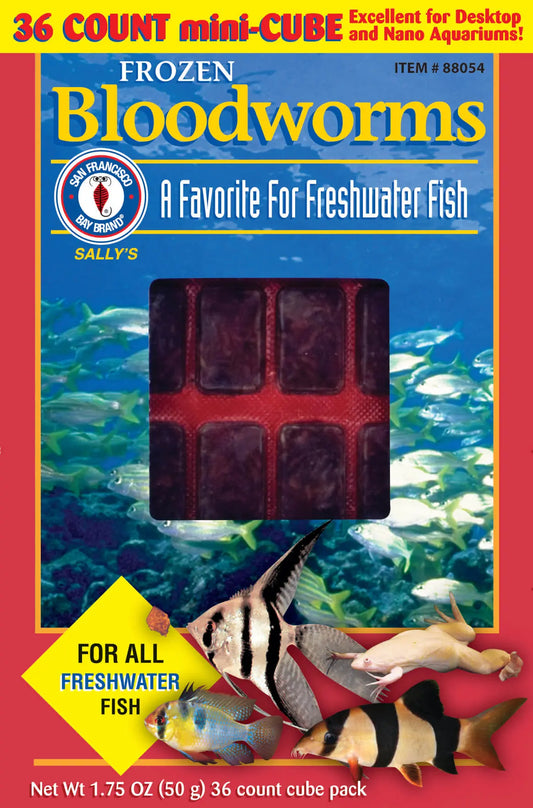
San Francisco Bay Frozen Bloodworms – 36 Mini-Cubes (1.75 oz)
Regular price $5.99Regular price -
San Francisco Bay Baby Brine Shrimp 1.75 oz – Frozen Fish Food
Regular price $5.29Regular price -
San Francisco Bay Frozen Brine Shrimp 3.5 oz – Frozen Fish Food
Regular price $6.49Regular price -
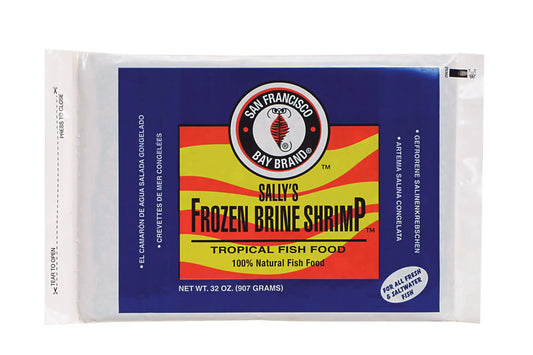
San Francisco Bay Frozen Brine Shrimp Flat 32 oz – Bulk Frozen Fish Food
Regular price $26.54Regular price -
Hikari Frozen Daphnia Cubes 3.5 oz – Frozen Fish Food
Regular price $7.99Regular price -
Nuaqua Bloodworms 3.5 oz – Frozen Fish Food
Regular price $4.00Regular price -
San Francisco Bay Frozen Beefheart 3.5 oz – Frozen Fish Food
Regular price $7.49Regular price -
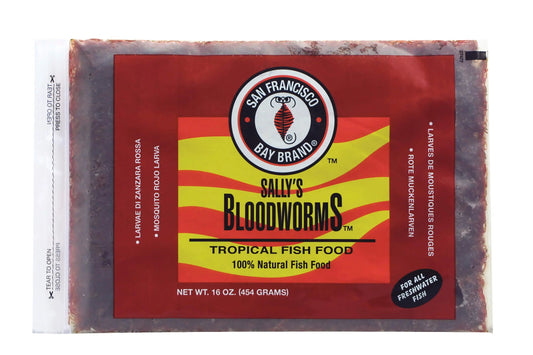
San Francisco Bay Bloodworms Flatpack 16 oz – Frozen Fish Food
Regular price $20.99Regular price -
San Francisco Bay Freshwater Multi-Pack 3.5 oz – Frozen Fish Food Variety Pack
Regular price $7.99Regular price -
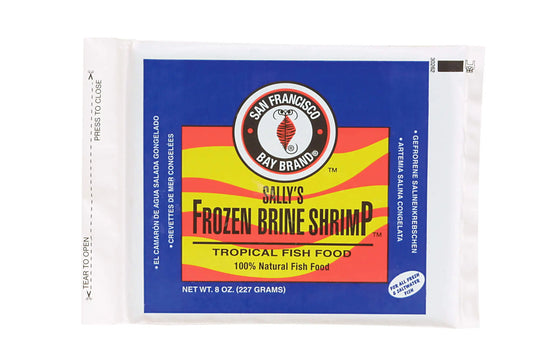
San Francisco Bay Frozen Brine Shrimp Flat 8 oz – Frozen Fish Food
Regular price $8.60Regular price -
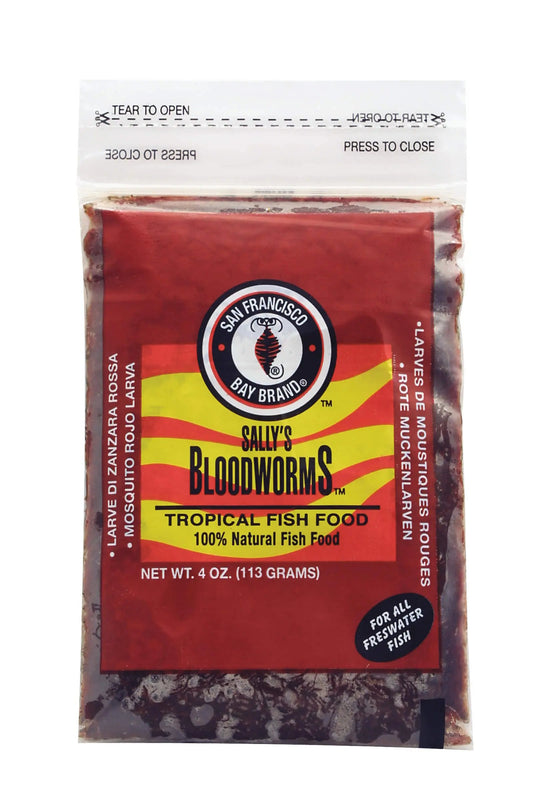
San Francisco Bay Frozen Bloodworms Flatpack 4 oz – Frozen Fish Food
Regular price $6.99Regular price -
Rod’s Food Small-Mouth Blend 6 oz – Frozen Fish Food
Regular price $20.99Regular price -
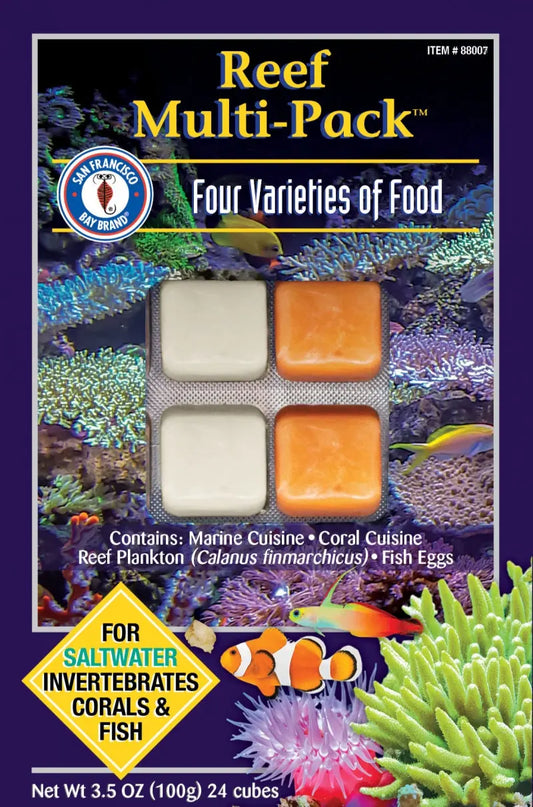
San Francisco Bay Reef Multi-Pack 3.5 oz – Frozen Reef Food Variety Pack
Regular price $9.99Regular price -
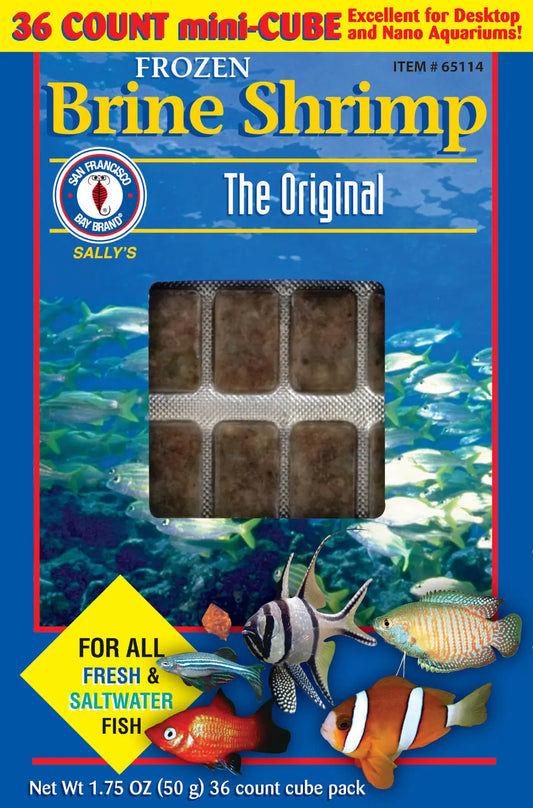
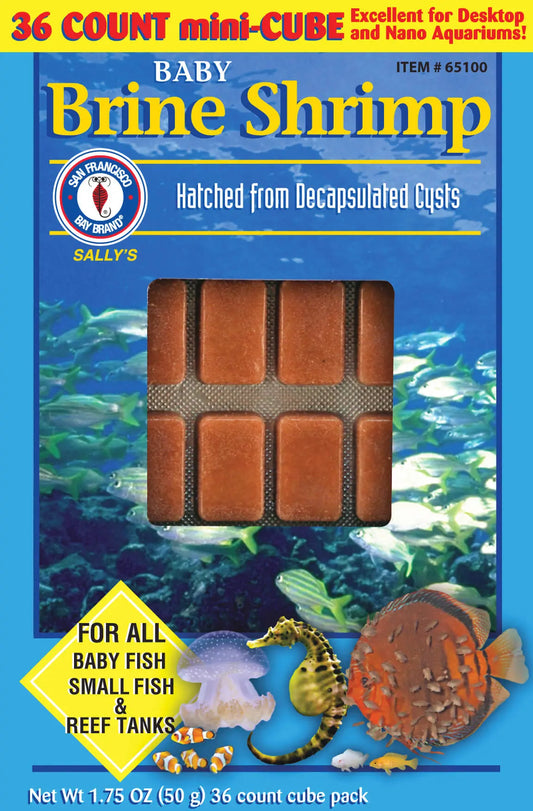
San Francisco Bay Frozen Brine Shrimp – 36 Mini-Cubes (1.75 oz)
Regular price $4.50Regular price -
San Francisco Bay Freshwater Frenzy 3.5 oz – Frozen Fish Food
Regular price $6.99Regular price -
Rod’s Food Predator Blend 8 oz – Frozen Marine Fish Food
Regular price $21.00Regular price -
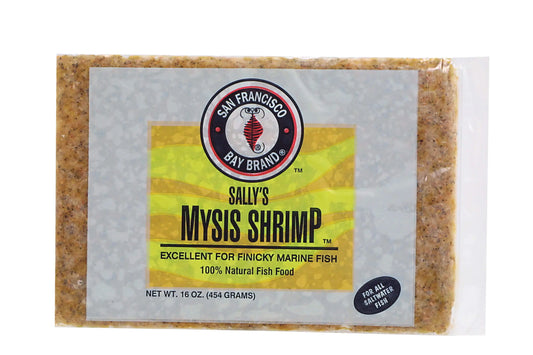
San Francisco Bay Frozen Mysis Shrimp Flat 16 oz – Bulk Frozen Fish Food
Regular price $18.99Regular price -
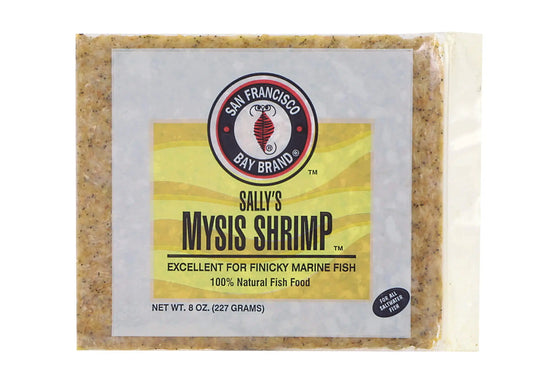
San Francisco Bay Frozen Mysis Shrimp 8 oz – Frozen Fish Food
Regular price $10.99Regular price -
V2O Aquarium Pro Variety Large Cube 1 lb – Frozen Fish Food Mix
Regular price $29.99Regular price -
V2O Aquarium Mussels 1/2 Shell 112 g – Frozen Fish Food
Regular price $9.99Regular price -
Rod’s Food Original Blend 2 oz – Frozen Reef Food
Regular price $12.00Regular price -
V2O Aquarium Clams on the Half Shell 112 g – Frozen Marine Food
Regular price $15.00Regular price -
Rod’s Food Coral Blend 2 oz – Frozen Coral Food
Regular price $14.00Regular price -
Rod’s Food Herbivore Blend 2 oz – Frozen Reef Fish Food
Regular price $12.00Regular price -
Ocean Nutrition Special Formula VHP 3.5 oz – Frozen Fish Food
Regular price $6.70Regular price -
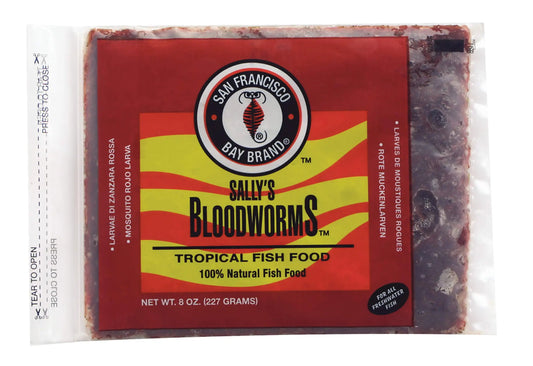
SF Bay Bloodworms Flatpack 8 oz (Frozen, Pickup Only)
Regular price $11.99Regular price -
San Francisco Bay Marine Cuisine 3.5 oz – Frozen Marine Fish Food
Regular price $7.43Regular price -
San Francisco Bay Brand Omega-3 Brine Shrimp Cubes – 7 oz Frozen
Regular price $11.99Regular price -
San Francisco Bay Frozen Brine Shrimp Flatpack 16 oz – Aquarium Fish Food
Regular price $15.99Regular price














Frozen Aquarium Fish Food – Freshwater & Saltwater
Frozen fish food is a great way to add variety to freshwater and saltwater aquarium feeding routines. Foods like bloodworms, brine shrimp, mysis shrimp, daphnia, and frozen blends can be useful for community fish, bettas, cichlids, angelfish, fry, bottom dwellers, and carnivorous species that benefit from protein-focused foods.
At Tropical Treasures Wyo in Cheyenne, Wyoming, we carry frozen aquarium foods for freshwater community fish, cichlid aquariums, betta tanks, marine fish, reef aquariums, and predator fish. Frozen foods are best used as part of a varied diet alongside quality flakes, pellets, wafers, gel foods, and species-appropriate staple foods.
Why Feed Frozen Fish Food?
Frozen fish food can provide a different texture, scent, and feeding response than dry foods. Many fish readily accept thawed frozen foods, making them useful for picky eaters, newly arrived fish, or fish that benefit from meaty foods in their feeding rotation.
Frozen foods should not replace a complete staple diet for most aquariums, but they can be a good addition a few times per week. Rotate foods based on the species you keep, their size, and their natural feeding habits.
Popular Frozen Fish Foods
- Bloodworms: A popular frozen food for bettas, tetras, angelfish, cichlids, and many community fish
- Brine Shrimp: A versatile frozen food for small and medium freshwater fish
- Daphnia: A small-particle frozen food option for bettas, fry, nano fish, and community fish
- Mysis Shrimp: A meaty option for fish that benefit from protein-focused foods
- Freshwater Blends: Mixed frozen foods designed for a variety of tropical freshwater fish
- Mussels & Larger Frozen Foods: Useful for larger cichlids, puffers, and predatory fish with compatible diets
Frozen Brine Shrimp, Mysis Shrimp & Baby Brine Shrimp
At Tropical Treasures Wyo, our frozen fish food selection includes frozen brine shrimp, frozen mysis shrimp, and frozen baby brine shrimp. These choices offer different particle sizes and feeding uses, so match the food to the fish's mouth size and dietary requirements.
Frozen Brine Shrimp
Adult brine shrimp are a popular supplemental food for many tetras, guppies, bettas, angelfish and other community fish. They can encourage a natural feeding response and provide variety alongside nutritionally complete staple foods.
Frozen Mysis Shrimp
Mysis shrimp are a meatier food choice for many omnivorous and carnivorous aquarium fish, including suitably sized cichlids and larger community species. Thaw and portion the food according to your fish's size; some small fish may find whole mysis too large.
Frozen Baby Brine Shrimp
Baby brine shrimp are much smaller than adult brine shrimp, making them useful for some juvenile fish and small-mouthed species. Not every newly hatched fry can eat them immediately, so check the fry's size and developmental stage before offering. Frozen baby brine shrimp are not the same as live, newly hatched brine shrimp, which may be preferred for certain fry-rearing situations.
Best Fish for Frozen Food
Many freshwater fish can benefit from frozen foods when fed appropriately. Bettas often enjoy bloodworms, brine shrimp, and daphnia as part of a varied diet. Tetras, rasboras, and community fish may do well with smaller frozen foods, while angelfish, cichlids, loaches, puffers, and predatory fish may benefit from larger or meatier options.
Choose frozen foods based on mouth size, feeding behavior, and dietary needs. Small fish may need finely thawed or smaller particle foods, while larger fish may accept bigger frozen portions.
How to Feed Frozen Fish Food
For most standard frozen foods, thaw a small portion in a cup of aquarium water before feeding. Always follow product-specific manufacturer directions; some prepared frozen cubes, such as Ocean Nutrition Special Formula VHP, are designed to be fed frozen without thawing. Offer only what your fish can consume within a few minutes, and remove uneaten food as needed to help maintain water quality.
For foods that call for thawing, avoid dropping large frozen cubes directly into the aquarium. Thawing first makes portion control easier and helps prevent overfeeding. Follow the label when a product is formulated to be fed directly from frozen.
Frozen Food Storage
Keep frozen fish food stored in the freezer until ready to use. Only thaw the portion needed for that feeding, and do not refreeze thawed food. Keep packaging sealed when possible to help maintain freshness.
Frozen Fish Food FAQ
How do I feed frozen fish food?
For foods that call for thawing, thaw a small portion in aquarium water and feed only what your fish can consume within a few minutes. Some manufacturer-formulated cubes are meant to be fed frozen; check individual product directions.
Is frozen food better than flakes?
Frozen food is best used as part of a varied feeding routine, not as a complete replacement for quality staple foods like flakes, pellets, granules, or wafers.
How often should I feed frozen food?
For most community aquariums, frozen food can be offered a few times per week as part of a varied diet. Adjust feeding based on the species you keep.
What frozen food should I start with?
For community tanks, daphnia, brine shrimp, or freshwater blends are good starter options. For bettas, bloodworms, brine shrimp, and daphnia are popular choices. For larger cichlids or predatory fish, choose meatier foods based on the species.
Can frozen fish food be shipped?
Frozen fish foods are available for in-store purchase or local pickup only. We do not ship frozen food.
Frozen Fish Food in Cheyenne, Wyoming
Tropical Treasures Wyo is a local source for frozen fish food in Cheyenne, Wyoming. Shop frozen bloodworms, brine shrimp, mysis, daphnia, freshwater blends, reef blends, and specialty frozen foods for freshwater and saltwater aquariums. Frozen foods are available for in-store purchase or local pickup only unless otherwise stated. Frozen items are not shipped through standard dry-goods shipping.