
Rosy Barb (Pethia conchonius)
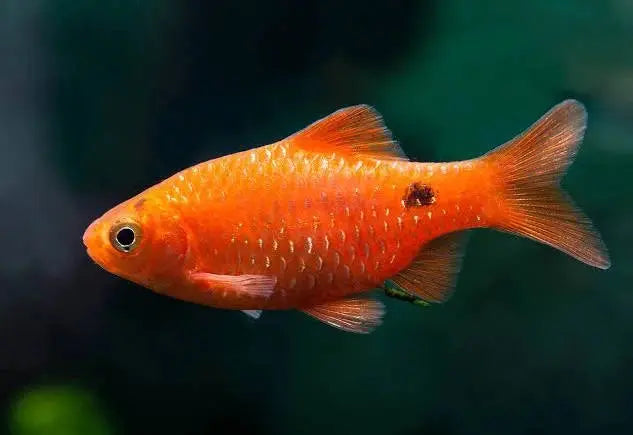
The Rosy Barb (Pethia conchonius) is a colorful, hardy freshwater fish known for its shimmering red, gold, and pink coloration. One of the most popular barb species in the aquarium hobby, Rosy Barbs are active schooling fish that thrive in community aquariums, planted tanks, and larger freshwater setups.
Males develop especially vibrant rosy-red coloration, particularly during breeding season or when kept in groups. Their peaceful temperament, adaptability, and ease of care make them an excellent choice for both beginner and experienced aquarists.
Rosy Barbs are also unique among many community fish because they tolerate cooler water temperatures, making them suitable for a wider range of aquarium setups.
Quick Facts
- Scientific Name: Pethia conchonius
- Common Name: Rosy Barb
- Adult Size: 4–6 inches
- Temperament: Peaceful
- Care Level: Easy
- Diet: Omnivore
- Lifespan: 5–7 years
- Minimum Tank Size: 30 gallons
- Water Temperature: 64–77°F
- pH Range: 6.0–7.5
- Water Hardness: Soft to Moderate
- Swimming Level: Midwater
- Schooling Fish: Yes
Why Choose Rosy Barbs?
- Beautiful rosy-red and gold coloration
- Active schooling behavior
- Peaceful community fish
- Hardy and beginner friendly
- Adaptable to cooler water temperatures
- Great for planted and community aquariums
Aquarium Setup
Rosy Barbs appreciate aquariums with open swimming areas combined with plants, driftwood, and natural décor. Their active nature makes longer aquariums preferable.
Recommended setup:
- 30 gallons minimum
- Open swimming space
- Live plants
- Driftwood and rocks
- Moderate water movement
- Stable water conditions
- School of 6 or more fish
Diet & Feeding
Rosy Barbs are omnivores and readily accept:
- Tropical flakes
- Quality pellets
- Frozen bloodworms
- Brine shrimp
- Daphnia
- Live foods
- Vegetable-based foods
A varied diet helps maximize coloration and overall health.
Tank Mates
Rosy Barbs do well with:
- Cherry Barbs
- Odessa Barbs
- Melon Barbs
- Danios
- Rainbowfish
- Corydoras
- Larger Rasboras
- Loaches
- Peaceful Gouramis
Avoid slow-moving fish with long flowing fins, as Rosy Barbs may occasionally nip when kept in insufficient numbers.
Schooling Behavior
Rosy Barbs are social fish that should be kept in groups.
Recommended group sizes:
- Minimum: 5–6 fish
- Ideal: 8–10+ fish
Keeping them in larger groups helps reduce fin-nipping and promotes natural behavior.
Male vs Female Rosy Barbs
Males
- Brighter red coloration
- More intense colors during breeding
- Slightly slimmer body shape
Females
- Gold to bronze coloration
- Fuller-bodied appearance
- Often slightly larger
Frequently Asked Questions
How many Rosy Barbs should be kept together?
A minimum of 5–6 fish is recommended, though larger groups encourage better schooling behavior.
Are Rosy Barbs plant-safe?
They may occasionally nibble soft-leaved plants. Hardy plants such as Java Fern, Anubias, and Vallisneria are recommended.
Can Rosy Barbs live with other barbs?
Yes. They mix well with other peaceful barb species and similarly sized community fish.
Are Rosy Barbs good for beginners?
Absolutely. Their hardiness, adaptability, and ease of care make them one of the best beginner-friendly schooling fish.
How large do Rosy Barbs get?
Adults commonly reach 4–6 inches, making them larger than many other barb species.
Available at Tropical Treasures Wyo
Shop healthy Rosy Barbs at Tropical Treasures Wyo in Cheyenne, Wyoming. These colorful freshwater schooling fish are perfect for community aquariums, planted tanks, and hobbyists looking for an active, hardy barb species.
Explore More Aquarium Products:
Out of stock
Couldn't load pickup availability
Explore Related Aquarium Products: