
Jaguar Cichlid
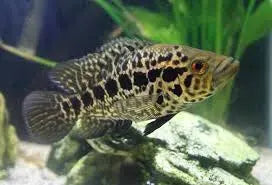
The Jaguar Cichlid (Parachromis managuensis) is a bold, intelligent, and visually stunning fish known for its striking black-and-gold spotted pattern and powerful personality. Native to Central America, this large cichlid earns its name from its jaguar-like markings and commanding presence in the aquarium.
Despite its aggressive temperament, the Jaguar Cichlid is fascinating to observe, displaying territorial behavior, unique feeding habits, and strong pair bonds when breeding. Its best suited for experienced aquarists with large aquariums and compatible tankmates.
Key Features
🐆 Distinct Jaguar Patterning Black rosettes and spots over shimmering gold scales
💪 Large, Impressive Size Can grow up to 16 inches in aquariums
🐠 Highly Intelligent Recognizes keepers and interacts with environment
🔥 Dominant Predator Strong territorial instincts, especially when breeding
💧 Central American Origin Native to lakes and rivers of Nicaragua and Honduras
⚙️ Care Guide
- Scientific Name: Parachromis managuensis
- Common Name: Jaguar Cichlid, Managuense Cichlid
- Origin: Central America (Nicaragua, Honduras)
- Temperament: Aggressive, territorial
- Adult Size: 14–16 inches
- Diet: Carnivore prefers meaty foods such as shrimp, fish, and high-protein pellets
- Tank Size: 100+ gallons
- Water Temperature: 75–82°F
- pH Range: 6.8–7.8
-
Lifespan: 10–15 years
💡 Tank Setup Tips
- Provide rocks, caves, and driftwood for territory and shelter.
- Use strong filtration to manage bio-load from this large species.
- Keep tankmates large and robust (e.g., Oscars, Green Terrors, or Plecos).
- Avoid small fishthey will be eaten.
- Ensure a tight-fitting lidJaguar Cichlids are known jumpers.
❓ FAQ
Q: Is the Jaguar Cichlid aggressive?
A: Yeshighly territorial and best kept either alone or with similarly sized aggressive cichlids.
Q: What size tank is required?
A: Minimum 100 gallons for an adult; larger for pairs.
Q: What should I feed it?
A: A carnivorous diet of cichlid pellets, shrimp, krill, and occasional live or frozen foods.
Q: Can it live with other fish?
A: Only with other large, tough species; avoid small or passive tankmates.
Q: How can I tell males from females?
A: Males are larger with sharper markings and longer fins; females are smaller and rounder.
Explore More Aquarium Products:
Out of stock
Couldn't load pickup availability
Explore Related Aquarium Products: