
Mosquito Fish – Gambusia affinis
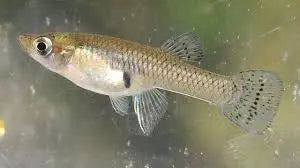
The Mosquito Fish (Gambusia affinis), also called Gambusia, is a hardy freshwater livebearer best known for eating mosquito larvae at the water’s surface. These small, active fish are commonly used in outdoor ponds, tubs, seasonal water gardens, and hardy aquarium setups for natural mosquito control.
Mosquito Fish are extremely adaptable and tolerate a wide range of water conditions, making them a practical choice for outdoor summer setups and low-maintenance pond environments. They are tough, active, and reproduce readily, but they can also be nippy, so tankmate selection is important.
Key Features
- Natural mosquito larvae control
- Hardy freshwater livebearer
- Great for ponds, outdoor tubs, and seasonal setups
- Tolerates a wide range of water conditions
- Active surface-feeding behavior
- Reproduces readily in suitable environments
Care Guide
- Scientific Name: Gambusia affinis
- Common Names: Mosquito Fish, Gambusia
- Care Level: Easy
- Temperament: Semi-aggressive; can be nippy
- Adult Size: Approximately 1.5–2.5 inches
- Minimum Tank Size: 10 gallons or outdoor pond/tub setup
- Tank Level: Surface to midwater
- Water Temperature: 50–85°F
- pH Range: 6.5–8.5
- Lifespan: Approximately 2–3 years
- Diet: Omnivore
Why Choose Mosquito Fish?
Mosquito Fish are a practical choice for customers who want a hardy fish that can help reduce mosquito larvae in ponds, tubs, and outdoor water setups. They feed at the surface and actively consume mosquito larvae, small insects, crustaceans, algae, and prepared foods.
They are not a decorative community fish in the same way as guppies or tetras, but they are useful, active, and very hardy. Their toughness makes them a popular option for outdoor seasonal setups where many tropical fish would not be ideal.
Important Temperament Note
Mosquito Fish can be nippy, especially toward slow-moving or long-finned fish. They are not recommended with bettas, fancy guppies, fancy goldfish, or delicate fish with flowing fins.
They are best used in ponds, tubs, species setups, or hardy aquariums with active tankmates that can tolerate their behavior.
Ideal Tank or Pond Setup
Mosquito Fish do well in outdoor ponds, tubs, water gardens, and simple aquarium setups with clean water, surface access, and plants for cover. Floating plants, hornwort, anacharis, water lettuce, frogbit, or other hardy plants provide shelter and help fry survive.
Outdoor setups should have good oxygenation, safe water quality, and protection from extreme conditions. Avoid releasing Mosquito Fish into natural waterways, as they can become invasive in some areas.
Compatible Tankmates
- Other Mosquito Fish
- Hardy livebearers with caution
- Danios
- White Cloud Mountain Minnows with compatible temperatures
- Rosy Red Minnows
- Other active, hardy fish of similar size
- Snails
Tankmates to Avoid
- Bettas
- Fancy guppies
- Fancy goldfish
- Slow or long-finned fish
- Very small delicate nano fish
- Shrimp breeding colonies
- Large predatory fish
Diet & Feeding
Mosquito Fish are omnivores and surface feeders. They eat mosquito larvae, small insects, tiny crustaceans, algae, biofilm, flakes, micro pellets, frozen daphnia, baby brine shrimp, and other small foods.
Even when used for mosquito control, they should still be supplemented with quality flakes or small pellets when natural food is limited. A varied diet helps support health, activity, and reproduction.
Care Tips
- Use for ponds, tubs, or hardy aquarium setups
- Provide surface access and plenty of plants
- Avoid slow or long-finned tankmates
- Supplement with flakes or micro pellets when needed
- Expect breeding in suitable setups
- Do not release into local waterways
Frequently Asked Questions
Are Mosquito Fish safe in aquariums?
Yes, but they are best kept with active, hardy tankmates. Avoid bettas, fancy guppies, fancy goldfish, and slow or long-finned fish because Mosquito Fish can be nippy.
Can Mosquito Fish overwinter outdoors?
They tolerate cooler water and may overwinter in some outdoor setups, depending on local climate, pond depth, and conditions. In colder areas, they may need seasonal protection or indoor housing.
Do Mosquito Fish really eat mosquito larvae?
Yes. Mosquito Fish are known for eating mosquito larvae at the water’s surface and are commonly used for natural mosquito control in ponds and tubs.
Do Mosquito Fish breed easily?
Yes. They are livebearers and can reproduce quickly in ponds, tubs, and aquariums with suitable conditions.
Are Mosquito Fish beginner-friendly?
Yes. They are very hardy and easy to care for, but their nippy behavior means tankmates should be chosen carefully.
What do Mosquito Fish eat?
They eat mosquito larvae, small insects, tiny crustaceans, algae, flakes, micro pellets, and small frozen foods such as daphnia or baby brine shrimp.
Can Mosquito Fish live with shrimp?
They are not ideal for shrimp breeding tanks. Adult shrimp may be fine with enough cover, but baby shrimp may be eaten.
Are these fish available for shipping?
No. Live fish are available for in-store purchase or local pickup only at Tropical Treasures Wyo in Cheyenne, Wyoming.
Available at Tropical Treasures Wyo
Mosquito Fish are hardy freshwater livebearers for outdoor ponds, tubs, seasonal setups, and hardy aquariums where natural mosquito larvae control is desired. Visit Tropical Treasures Wyo in Cheyenne, Wyoming, to shop pond fish, freshwater fish, livebearers, live aquarium plants, fish food, filtration supplies, pond supplies, and aquarium care products. Live livestock is available for in-store purchase or local pickup only.
Explore More Aquarium Products:
Out of stock
Couldn't load pickup availability
Explore Related Aquarium Products: