

Honey Blue-Eye Rainbowfish (Pseudomugil mellis)
Honey Blue-Eye Rainbowfish (Pseudomugil mellis)
Out of stock
Live fish, shrimp, snails and aquatic plants are not shipped. Visit Tropical Treasures Wyo in Cheyenne, Wyoming or select pickup at checkout.
Couldn't load pickup availability
Honey Blue-Eye Rainbowfish Care — Pseudomugil mellis
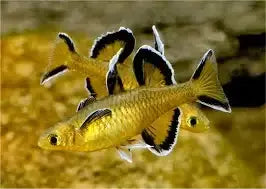
The Honey Blue-Eye Rainbowfish (Pseudomugil mellis), also called the Honey Blue-eye, is a small, peaceful Australian freshwater fish admired for bright blue eyes, subtle golden-to-honey coloration and lively display behavior. Males may show more vivid coloration and elongated fins, while females tend to be more subdued. An established, well-planted aquarium with calm tankmates and stable water is ideal.
Honey Blue-Eye Care Guide
- Scientific name: Pseudomugil mellis
- Origin: Coastal southeastern Queensland, Australia, including tannin-stained creeks and dune lakes
- Adult size: Up to approximately 1.4 inches (3.5 cm) in standard length; overall length including fins may appear slightly greater
- Recommended aquarium: A mature, well-planted 15–20-gallon or larger aquarium for a small group; prioritize horizontal swimming space
- Group size: At least 6, preferably 8–10 or more in an appropriately sized tank; a female-heavy group can help limit persistent male attention
- Temperature: Approximately 75–82°F for typical aquarium care
- pH: Soft, slightly acidic water is preferred; around 5.5–7.5 is a practical target for properly acclimated captive fish. Wild habitats can be more acidic
- Water hardness: Soft to moderately soft water preferred; avoid sudden chemistry changes
- Temperament: Peaceful, social and sensitive to aggressive or boisterous tankmates
- Diet: Tiny live and frozen invertebrates, supplemented with appropriately sized quality micro-foods
- Care level: Moderate due to small size, sensitivity and feeding needs
Aquarium Setup and Water Conditions
In nature, Honey Blue-Eyes inhabit coastal wallum waters, including slow-flowing, often tea-colored creeks and wetlands with abundant vegetation. In the aquarium, provide gentle filtration, fine-leaved and floating plants, shaded areas, open swimming room and a secure lid. Keep the tank fully cycled with zero ammonia and nitrite. Avoid abrupt pH, temperature or hardness changes, and ask about the water conditions in which the current fish have been held.
Group Behavior and Tankmates
Keep a group rather than a single fish. Males may display their fins to one another and court females; plant cover gives individuals room to retreat. Small, peaceful fish with similar water requirements can be suitable companions in larger aquariums. Avoid aggressive, large or very active fish that could stress them or outcompete them at feeding time. Adult dwarf shrimp are often tolerated, but tiny shrimp offspring may be eaten.
Feeding
Honey Blue-Eyes feed on tiny aquatic invertebrates and other small prey in nature. Offer small live or frozen foods such as baby brine shrimp, cyclops and suitably sized daphnia, along with finely crushed quality flakes or micro pellets they can swallow. Offer modest amounts and ensure these small fish receive food even when housed with faster tankmates.
Breeding
Pseudomugil mellis is an egg-scattering, plant-spawning blue-eye. Mature fish may deposit adhesive eggs among fine-leaved plants or spawning mops. Adults may eat eggs or newly hatched fry, so a dedicated breeding setup and very small first foods can improve fry survival.
Frequently Asked Questions
How big do Honey Blue-Eye Rainbowfish get?
They reach up to approximately 1.4 inches (3.5 cm) in standard length, making them small fish that still benefit from an open swimming area and a social group.
How many Honey Blue-Eyes should I keep?
Keep at least six together, preferably eight to ten or more when aquarium size permits. A group lets males display naturally and helps the fish feel more secure.
What size tank does a Honey Blue-Eye Rainbowfish need?
A mature, planted aquarium of approximately 15–20 gallons or larger is a practical recommendation for a group, with a longer footprint preferred over a tall, narrow tank.
Do Honey Blue-Eyes need acidic water?
Wild fish inhabit very soft, often acidic water. Aim for stable, suitably soft water and avoid rapid changes. The best target for a particular shipment depends on its breeding and holding conditions.
Can Honey Blue-Eyes live with shrimp?
Adult dwarf shrimp may coexist in a calm planted aquarium, but very young shrimp can be eaten. Dense moss and plant cover provide shelter.
What do Honey Blue-Eye Rainbowfish eat?
They do well with tiny foods such as baby brine shrimp, cyclops, small daphnia and appropriate micro pellets or crushed flakes. Check that each fish is getting enough food.
Are Honey Blue-Eye Rainbowfish available for shipping?
No. Our live fish are available for in-store purchase or local pickup only at Tropical Treasures Wyo in Cheyenne, Wyoming.
In-Store Purchase or Local Pickup Only
Live fish are not available for shipping. Contact Tropical Treasures Wyo in Cheyenne, Wyoming to confirm availability and arrange in-store purchase or local pickup. Inspect livestock before leaving the store.
Live Fish Sales Policy: All live fish sales are final once they leave our store. Ask our team for guidance on acclimation and a suitable planted aquarium.
Explore Related Aquarium Products: