
Corydoras loxozonus Elegant Skunk-Pattern Cory Catfish
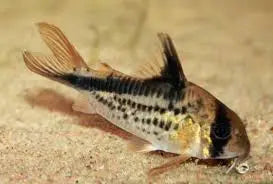
The Corydoras loxozonus, often called the Skunk Corydoras, is a beautifully patterned schooling catfish known for its bold black stripe that runs from its snout to tail. Closely related to Corydoras arcuatus, the loxozonus can be distinguished by a slightly thicker stripe and a more rounded body shape.
Native to Colombias upper Ro Meta basin, this species is peaceful, active, and thrives in groups of six or more. Their constant foraging and charming social behavior make them a delightful addition to community or planted tanks.
Care Information:
- Scientific Name: Corydoras loxozonus
- Common Name: Skunk Corydoras
- Origin: Upper Ro Meta Basin, Colombia
- Temperament: Peaceful, schooling
- Adult Size: 2.5 inches
- Diet: Omnivore sinking wafers, pellets, frozen bloodworms, and brine shrimp
- Tank Size: 20+ gallons recommended
- Water Parameters:
- Temperature: 7279°F
- pH: 6.57.5
- Hardness: Soft to moderate
Why Youll Love Them:
Peaceful and community-friendly
Distinct black skunk-like stripe
Active schooling behavior
Excellent bottom forager that helps clean uneaten food
Shipping & Local Pickup:
🛒 Available for nationwide shipping and local pickup in Cheyenne, WY.
🐟 All fish are bio-secured, quarantined, and acclimated before sale to ensure premium health.
Frequently Asked Questions (FAQ):
Q: How many Corydoras loxozonus should I keep together?
A: At least sixCorydoras are schooling fish that feel safest and most active in groups.
Q: Are they aggressive?
A: No, theyre completely peaceful and ideal for community aquariums.
Q: How do they differ from Corydoras arcuatus?
A: The loxozonus has a thicker, darker stripe and a slightly rounder head profile compared to the arcuatus.
Q: What substrate do they prefer?
A: Fine sand or smooth gravelthis protects their delicate barbels while foraging.
Q: Do they eat algae?
A: They mainly eat leftover food and protein-based sinking pellets, not algae.
Q: Are they good for planted tanks?
A: Yes! Theyre gentle on plants and love hiding in shaded areas or under leaves.
Explore More Aquarium Products:
Low stock: 6 left
Couldn't load pickup availability
Explore Related Aquarium Products: