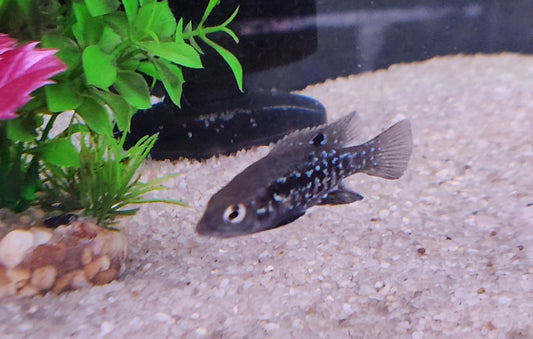
African cichlids are available for in-store purchase or local pickup only at Tropical Treasures Wyo in Cheyenne, Wyoming. We are not shipping live fish at this time, but eligible live plants, dry goods, and aquarium supplies may still be available for shipping throughout the Lower 48 states.
Shop African cichlids locally in Cheyenne, Wyoming, including colorful Peacock cichlids, Mbuna cichlids, Hap cichlids, Lake Malawi cichlids, and Lake Tanganyika cichlids.
Shop African Cichlids for Your Aquarium
Looking for African cichlids for sale? Tropical Treasures Wyo offers a wide selection of vibrant, healthy cichlids including Peacocks, Mbuna, and Haplochromis (Haps).
African cichlids are known for their intense colors, active behavior, and bold personalities, making them one of the most popular freshwater fish for hobbyists. Whether you're building a rock-heavy aquascape or a high-energy display tank, these fish deliver bold color and active movement.
All of our cichlids are carefully selected, acclimated, and monitored to ensure they arrive conditioned and monitored before sale.
African cichlids • Peacock cichlids • Mbuna cichlids • Hap cichlids • freshwater fish for sale
Peacock Cichlids (Aulonocara)
Peacock cichlids are prized for their bright blues, reds, and yellows. These are some of the most colorful freshwater fish available and are popular for display tanks.
• Bright, vibrant coloration
• Moderate aggression
• Great for mixed African cichlid tanks
Mbuna Cichlids
Mbuna are rock-dwelling cichlids known for their constant activity and bold personalities. They thrive in aquariums with plenty of rocks and hiding spaces.
• Highly active and territorial
• Best in rock-heavy aquascapes
• Ideal for species-only or carefully planned tanks
Haplochromis (Haps)
Haps are generally larger African cichlids with sleek bodies and striking coloration. They make excellent centerpiece fish in larger aquariums.
• Larger size and bold presence
• Bright coloration in males
• Best with other similarly sized cichlids
Why Choose African Cichlids?
• Extremely vibrant colors
• Constant movement and activity
• Intelligent and interactive behavior
• Ideal for showpiece aquariums
• Hardy when properly maintained
Important Compatibility Info
African cichlids are territorial and semi-aggressive.
• Do not mix with small community fish
• Overstocking can help reduce aggression
• Provide plenty of rockwork and hiding spaces
• Avoid mixing with South American cichlids
African Cichlid Tank Setup Tips
• Use sand or fine substrate
• Add rock structures for territories
• Maintain higher pH (7.8–8.6)
• Strong filtration is essential
• Perform regular water changes
Recommended Food
• High-quality cichlid pellets
• Spirulina-based foods (especially for Mbuna)
• Occasional frozen foods
Shop our African cichlid foods to support natural coloration and balanced nutrition.
Choosing Fish Food for African Cichlids
Different African cichlids have different feeding needs, so select fish food for the species you keep rather than assuming one formula works for every cichlid. High-quality pellets made for African cichlids can provide a balanced staple diet, with occasional appropriate supplements for variety.
Fish Food for Mbuna Cichlids
Many Lake Malawi Mbuna graze naturally on algae and microorganisms growing on rocks. Choose a suitable cichlid food with plant-based ingredients such as spirulina for primarily herbivorous Mbuna, while recognizing that individual species have different dietary requirements. Avoid frequent rich, fatty meals and overfeeding.
Feeding Peacock Cichlids
Peacock cichlids (Aulonocara) naturally feed on small invertebrates and other foods found near the substrate. Offer a quality omnivorous or species-appropriate cichlid pellet, and consider suitable frozen foods in moderation. Feed portions the fish consume promptly and remove excess food to protect water quality.
Food for Hap Cichlids
Hap cichlids vary considerably in size and natural diet: some eat invertebrates while others are more predatory or specialize in different foods. Match the pellet size, protein level, and supplemental foods to the exact species and its adult size. A diet suitable for one Hap may not suit another.
Healthy Feeding Habits
Offer moderate portions, observe every fish at feeding time, and adjust feeding to the aquarium's stocking and filtration. Aggressive or fast-feeding fish can outcompete others, so make sure less dominant cichlids get food. Explore our aquarium fish food collection for available diets or ask the Tropical Treasures Wyo team in Cheyenne for help matching food to your African cichlid species.
Shop Local at Our Cheyenne Store
Available in-store at Tropical Treasures Wyo in Cheyenne, Wyoming.
• In-store pickup
• Healthy, hand-selected fish
Frequently Asked Questions
Are African cichlids aggressive?
Yes, many African cichlids can be territorial. Proper stocking, tank size, and rockwork help reduce aggression.
Can African cichlids live together?
Yes, when grouped with compatible species and proper tank size.
What size tank do they need?
Most setups require at least 55 gallons, with larger tanks preferred.
Do they need special water?
Yes, they prefer alkaline water with higher pH levels.
Related Care Guides & Collections
New to African cichlids or planning a Lake Malawi or Tanganyika tank? Dig into our detailed care guides for popular species, including the red empress cichlid, the electric blue hap, and the gentle-giant frontosa.
Prefer a different cichlid style? Browse our South American cichlids and dwarf cichlids for community-friendly options. To finish your rocky African cichlid biotope, pair fish with a quality substrate and hardy live plants like anubias and vallisneria that can stand up to active diggers.