Aquarium Substrate – Gravel, Sand & Plant Substrate
Aquarium substrate is the foundation of a well-planned fish tank. Gravel, sand, and planted-tank substrates help shape the look of your aquarium, anchor live plants, provide surface area for beneficial bacteria, and support the needs of fish, shrimp, snails, and bottom-dwelling species.
At Tropical Treasures Wyo in Cheyenne, Wyoming, we carry aquarium gravel, freshwater aquarium sand, planted tank substrate, shrimp substrate, aquascaping substrate, and natural decorative substrates for freshwater aquariums, planted tanks, cichlid tanks, shrimp tanks, and community fish setups.
Types of aquarium substrate
There are three main categories to choose from, each with its own strengths. Gravel is the classic, versatile choice that works in most community tanks, holds beneficial bacteria well, and comes in countless colors and grain sizes. Sand creates a smooth, natural look and is gentle on the barbels of bottom-dwelling fish, making it a favorite for corydoras, loaches, and aquascapes. Nutrient-rich plant substrates are specially formulated to feed root systems, lower and buffer pH, and support planted and shrimp tank setups.
Best sellers
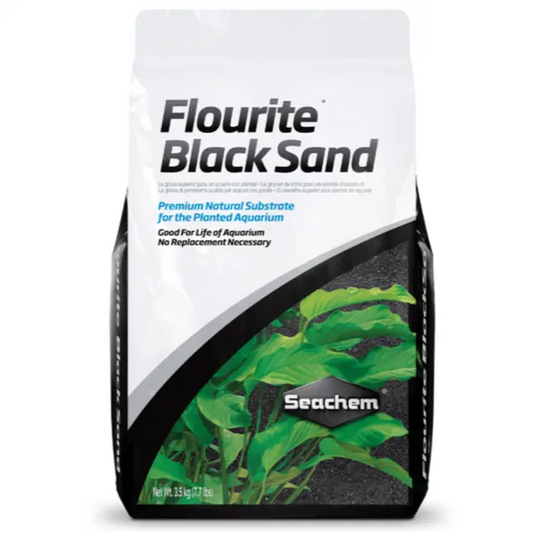
Some substrates earn a permanent spot on our shelves. The Fluval Stratum Plant & Shrimp Substrate is an active volcanic soil that promotes lush root growth and suits both planted and shrimp tanks beautifully, while Seachem Flourite Black is a premium clay-based substrate that supports plant roots and lasts indefinitely. For a natural sand look, CaribSea Super Naturals Torpedo Beach offers smooth, freshwater-safe grains, and Seachem Flourite Black Sand combines the fine texture of sand with the plant-friendly benefits of Flourite.
Choosing the right substrate
The best substrate depends on what you keep. For a planted tank full of live plants, a nutrient-rich substrate like Stratum or Flourite gives roots the food they need from day one. Shrimp tanks benefit from buffering active soils that help maintain stable, slightly acidic water for Caridina and other sensitive species. Community tanks do well on classic gravel or sand, and tanks for cichlids often pair best with sand or a specialty buffering substrate that suits their water needs. If you keep corydoras and other bottom dwellers, soft sand helps protect their delicate barbels as they forage.
Explore more
Once you have your substrate picked out, finish the job with the right gear. Browse our live aquarium plants to fill out an aquascape, and grab aquascaping tools to plant, sculpt, and maintain your layout cleanly. With the right foundation and a few good tools, building a beautiful, healthy tank is a lot more rewarding.
Substrate does more than look good — it is a living part of your filtration system. The surface area between every grain gives beneficial bacteria a place to colonize, helping break down ammonia and nitrite help support biological filtration. That is why we recommend choosing a substrate early and disturbing it as little as possible once your tank is established, since the bacteria living in it are doing important work around the clock.
Color and grain size matter too. Darker substrates tend to make fish colors pop and give planted tanks a rich, professional look, while lighter sands create bright, open aquascapes. Finer grains suit delicate plant roots and bottom dwellers, while slightly larger gravel is easy to clean with a siphon. Thinking about both the look you want and the livestock you keep will help you land on a substrate you are happy with for years.
Aquarium Substrate FAQ
How much substrate do I need?
A good rule of thumb is about 1 to 2 inches of substrate for most aquariums, or 2 to 3 inches for planted tanks so roots have room to spread. As a rough guide, plan on about 1 to 1.5 pounds of substrate per gallon, depending on the depth you want.
Do I need to rinse substrate before adding it?
Rinse inert gravel and sand well to remove dust before adding them to your aquarium. Active plant soils like Fluval Stratum should not be rinsed, since rinsing can break down the granules. Add them gently and expect some initial cloudiness that clears as the tank settles.
Can I mix different substrates?
Yes. Many aquascapers cap a nutrient-rich plant soil with a thin layer of sand or fine gravel for a cleaner look, or combine colors and textures to create depth. Keep heavier materials on top so the layers stay in place.