
Axelrod Rasbora
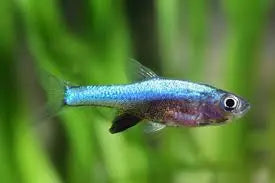
Axelrod Rasbora is a small, peaceful freshwater schooling fish known for its delicate body shape, active swimming behavior, and beautiful natural coloration. This nano-friendly rasbora adds movement and life to planted aquariums, blackwater-style setups, and peaceful community tanks.
Because Axelrod Rasboras are social fish, they should be kept in groups for best color, confidence, and natural behavior. A planted aquarium with gentle filtration, open swimming space, and stable water parameters will help them thrive.
Key Features
- Peaceful Schooling Fish: Best kept in groups of 6 or more for natural behavior and reduced stress.
- Great for Planted Tanks: Looks beautiful against live plants, driftwood, leaf litter, and darker substrates.
- Nano Aquarium Friendly: Small adult size makes it a good option for appropriately stocked smaller aquariums.
- Active Midwater Swimmer: Adds movement without being aggressive toward tankmates.
- Community Safe: Works well with other peaceful nano fish, shrimp-safe fish, and calm community species.
- Beginner to Intermediate Care: Hardy when kept in stable, clean water with peaceful tankmates.
Quick Facts
- Scientific Name: Rasbora axelrodi
- Common Name: Axelrod Rasbora
- Care Level: Easy to moderate
- Temperament: Peaceful
- Adult Size: Around 1 inch
- Minimum Tank Size: 10 gallons
- Recommended Group Size: 6 or more
- Water Temperature: 72–80°F
- pH Range: 5.5–7.5
- Diet: Omnivore
- Tank Level: Midwater
Tank Setup
Axelrod Rasboras do best in a calm, well-established aquarium with stable water quality. A planted tank with floating plants, driftwood, leaf litter, and darker substrate can help bring out their natural colors and make them feel secure.
Provide open swimming areas along with plant cover. Gentle filtration is recommended, as these fish are small and do not need strong current.
Best Tank Mates
- Chili Rasboras
- Ember Tetras
- Green Neon Tetras
- Small Corydoras species
- Otocinclus Catfish
- Honey Gouramis
- Peaceful dwarf shrimp colonies with caution
- Other calm nano community fish
Avoid large, aggressive, fin-nipping, or overly active fish that may stress or eat them.
Diet & Feeding
Axelrod Rasboras are omnivores and should be offered a varied diet of high-quality micro pellets, crushed flakes, frozen baby brine shrimp, daphnia, cyclops, and other small foods. Because they have small mouths, choose foods that are appropriately sized.
Feed small portions once or twice daily, only as much as they can eat within a short time.
Care Tips
- Keep in groups of at least 6; larger groups are even better.
- Use gentle filtration and avoid strong current.
- Maintain stable water temperature and clean water conditions.
- Add live plants and hiding areas to reduce stress.
- Feed small foods that fit their tiny mouths.
- Acclimate slowly before adding them to the aquarium.
Why Choose Axelrod Rasboras?
Axelrod Rasboras are a great choice for aquarists who want a peaceful, small schooling fish for planted aquariums and nano community tanks. Their active group behavior, gentle temperament, and natural beauty make them an excellent addition to calm freshwater setups.
They are especially attractive in planted aquariums where their colors can stand out against greenery, driftwood, and darker aquascaping materials.
Frequently Asked Questions
How many Axelrod Rasboras should I keep together?
Keep at least 6 together, though larger groups will show better schooling behavior and confidence.
Are Axelrod Rasboras good community fish?
Yes. They are peaceful and do well with other small, calm freshwater fish that will not bully or eat them.
Can Axelrod Rasboras live in a planted tank?
Yes. Planted aquariums are ideal because plants provide cover, reduce stress, and create a natural environment.
Are Axelrod Rasboras safe with shrimp?
They are generally peaceful, but very tiny baby shrimp may be eaten. They are best with established shrimp colonies or larger shrimp.
What do Axelrod Rasboras eat?
They eat small prepared and frozen foods such as micro pellets, crushed flakes, baby brine shrimp, daphnia, and cyclops.
How big do Axelrod Rasboras get?
They stay small, usually around 1 inch as adults.
Available at Tropical Treasures Wyo
Shop Axelrod Rasboras online or in-store at Tropical Treasures Wyo in Cheyenne, Wyoming. These peaceful nano schooling fish are a beautiful choice for planted aquariums, nano tanks, shrimp-friendly community setups, and calm freshwater aquascapes.
Explore More Aquarium Products:
Out of stock
Couldn't load pickup availability
Explore Related Aquarium Products: