Clown Killifish (Epiplatys annulatus) – Live Freshwater Fish
Clown Killifish (Epiplatys annulatus) – Live Freshwater Fish
Out of stock
Couldn't load pickup availability
Clown Killifish (Epiplatys annulatus) – Live Freshwater Fish
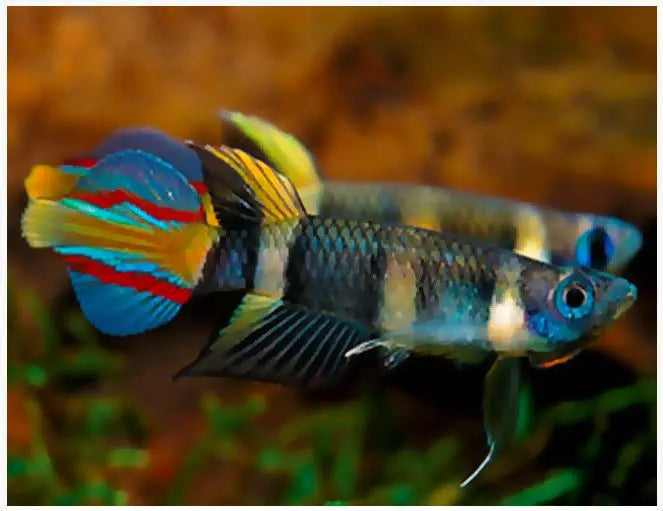
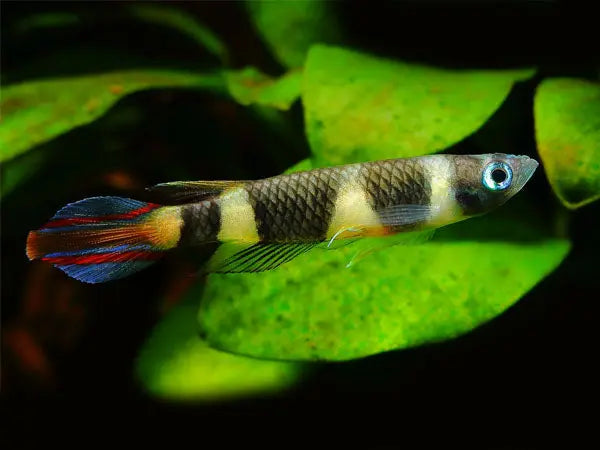
The Clown Killifish, scientifically known as Epiplatys annulatus, is a small, peaceful freshwater fish celebrated for its bright vertical striping and clown-like tail markings. Native to West Africa, this species spends most of its time near the surface, adding activity to the upper levels of nano and planted aquariums.
Clown Killifish are hardy, calm, and visually striking, making them an excellent choice for nano tanks, shrimp-safe communities, and heavily planted aquascapes. They display their best color and behavior when kept in small groups.
Key Characteristics
✔ Bold striped body with spotted tail
✔ Peaceful surface-dwelling behavior
✔ Ideal for nano & planted tanks
✔ Shrimp-safe with adults
✔ Active yet calm schooling fish
Care Requirements
- Difficulty: Easy
- Temperament: Peaceful
- Adult Size: ~1–1.5 inches
- Tank Size: 10 gallons or larger
- Temperature: 72–80°F
- pH: 6.0–7.5
- Diet: Omnivore (micro pellets, flakes, frozen foods)
🐟 Best kept in groups of 6 or more for confidence and color.
⚠️ Tight-fitting lid recommended — excellent jumpers.
Tank Compatibility
Good Tankmates:
- Small tetras & rasboras
- Corydoras
- Norman’s Lampeye
- Shrimp & snails
Avoid:
- Aggressive or boisterous fish
- Large predatory species
Ideal For
- Nano aquariums
- Planted freshwater tanks
- Peaceful community setups
- Aquarists wanting unique surface activity
Product Details
- Common Name: Clown Killifish
- Scientific Name: Epiplatys annulatus
- Origin: West Africa
- Aquarium Type: Freshwater
- Diet: Omnivore
- Temperament: Peaceful
FAQs – Clown Killifish
Q: Are Clown Killifish good for beginners?
A: Yes. They are hardy and easy to care for with stable water conditions.
Q: Do they need to be kept in groups?
A: Yes. Groups of 6+ help reduce stress and enhance coloration.
Q: Are they shrimp-safe?
A: Generally safe with adult shrimp; very small fry may be eaten.
Q: Do they jump?
A: Yes. A secure lid is highly recommended.
Q: Where do they swim in the tank?
A: Mostly at the surface and upper water levels.